High Blood Pressure and Heart Health: What You Need to Know
High Blood Pressure and Heart Health: What You Need to Know
- posted: Jun. 19, 2025
High blood pressure (hypertension) affects nearly half of American adults, yet many remain unaware of their condition due to its typically silent nature. This common cardiovascular concern significantly increases the risk of heart attack, stroke, kidney disease, and other serious health complications when left unmanaged. Understanding blood pressure measurements, recognizing risk factors, and implementing evidence-based management strategies helps protect long-term heart health and overall wellbeing, so your health providers at Family Care Clinic in Ennis, Texas, want to make sure you know the basics.
Understanding Blood Pressure Readings
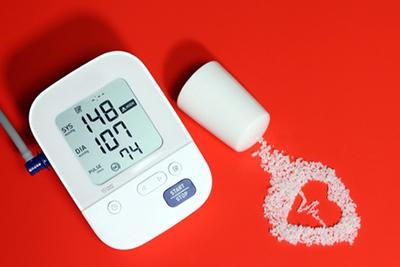
Blood pressure measurements include two numbers: systolic pressure (the top number) represents the force exerted against artery walls when the heart contracts, while diastolic pressure (the bottom number) measures pressure between heartbeats. Current guidelines classify normal blood pressure as readings below 120/80 mmHg, with elevated blood pressure falling between 120-129 systolic and below 80 diastolic. Hypertension begins at 130/80 mmHg, with increasing severity at higher readings.
These numbers matter significantly, as even modest elevations sustained over time damage blood vessels throughout the body, particularly in vital organs like the heart, brain, and kidneys. This progressive damage often occurs without noticeable symptoms until complications develop, underscoring the importance of regular screening.
Risk Factors You Can and Cannot Control
Certain hypertension risk factors cannot be changed, including family history, age, and certain ethnic backgrounds. However, many significant contributors remain within our control. Diet plays a crucial role, particularly sodium intake, with most Americans consuming well above recommended limits, primarily through processed and restaurant foods rather than table salt.
Other modifiable factors include physical activity levels, weight management, alcohol consumption, and stress management. Tobacco use significantly compounds hypertension risks, making smoking cessation particularly valuable for cardiovascular health. Learning about your personal risk profile helps prioritize specific lifestyle modifications that offer the greatest benefit.
The Impact of Lifestyle Changes
For many of Family Care Clinic’s Ennis, Texas, patients with elevated blood pressure or early hypertension, lifestyle modifications alone may reduce readings to healthier ranges. The DASH (Dietary Approaches to Stop Hypertension) eating pattern emphasizes fruits, vegetables, whole grains, lean proteins, and limited saturated fat, and can significantly reduce blood pressure.
Regular physical activity, aiming for at least 150 minutes of moderate-intensity movement weekly, also significantly benefits blood pressure through multiple mechanisms. Even modest weight reduction, when needed, creates meaningful blood pressure improvements, with each kilogram (2.2 pounds) lost typically reducing readings by approximately 1 mmHg.
Manage High Blood Pressure with a Family Provider
When lifestyle changes alone prove insufficient or when initial readings indicate more significant hypertension, medication therapy provides valuable support. Modern blood pressure medications offer several options with manageable side effect profiles, but finding the optimal medication or combination often requires thoughtful adjustment and regular monitoring.
Even with medication, lifestyle approaches remain essential components of comprehensive management, often allowing for lower medication dosages while providing additional cardiovascular benefits beyond blood pressure control alone.
At Family Care Clinic in Ennis, Texas, comprehensive cardiovascular risk assessment and management help patients develop personalized approaches to blood pressure control, supporting heart health throughout life. If you’re interested in high blood pressure management, call our office at (972) 875-6700.
High Blood Pressure and Heart Health: What You Need to Know
- posted: Jun. 19, 2025
High blood pressure (hypertension) affects nearly half of American adults, yet many remain unaware of their condition due to its typically silent nature. This common cardiovascular concern significantly increases the risk of heart attack, stroke, kidney disease, and other serious health complications when left unmanaged. Understanding blood pressure measurements, recognizing risk factors, and implementing evidence-based management strategies helps protect long-term heart health and overall wellbeing, so your health providers at Family Care Clinic in Ennis, Texas, want to make sure you know the basics.
Understanding Blood Pressure Readings
Blood pressure measurements include two numbers: systolic pressure (the top number) represents the force exerted against artery walls when the heart contracts, while diastolic pressure (the bottom number) measures pressure between heartbeats. Current guidelines classify normal blood pressure as readings below 120/80 mmHg, with elevated blood pressure falling between 120-129 systolic and below 80 diastolic. Hypertension begins at 130/80 mmHg, with increasing severity at higher readings.
These numbers matter significantly, as even modest elevations sustained over time damage blood vessels throughout the body, particularly in vital organs like the heart, brain, and kidneys. This progressive damage often occurs without noticeable symptoms until complications develop, underscoring the importance of regular screening.
Risk Factors You Can and Cannot Control
Certain hypertension risk factors cannot be changed, including family history, age, and certain ethnic backgrounds. However, many significant contributors remain within our control. Diet plays a crucial role, particularly sodium intake, with most Americans consuming well above recommended limits, primarily through processed and restaurant foods rather than table salt.
Other modifiable factors include physical activity levels, weight management, alcohol consumption, and stress management. Tobacco use significantly compounds hypertension risks, making smoking cessation particularly valuable for cardiovascular health. Learning about your personal risk profile helps prioritize specific lifestyle modifications that offer the greatest benefit.
The Impact of Lifestyle Changes
For many of Family Care Clinic’s Ennis, Texas, patients with elevated blood pressure or early hypertension, lifestyle modifications alone may reduce readings to healthier ranges. The DASH (Dietary Approaches to Stop Hypertension) eating pattern emphasizes fruits, vegetables, whole grains, lean proteins, and limited saturated fat, and can significantly reduce blood pressure.
Regular physical activity, aiming for at least 150 minutes of moderate-intensity movement weekly, also significantly benefits blood pressure through multiple mechanisms. Even modest weight reduction, when needed, creates meaningful blood pressure improvements, with each kilogram (2.2 pounds) lost typically reducing readings by approximately 1 mmHg.
Manage High Blood Pressure with a Family Provider
When lifestyle changes alone prove insufficient or when initial readings indicate more significant hypertension, medication therapy provides valuable support. Modern blood pressure medications offer several options with manageable side effect profiles, but finding the optimal medication or combination often requires thoughtful adjustment and regular monitoring.
Even with medication, lifestyle approaches remain essential components of comprehensive management, often allowing for lower medication dosages while providing additional cardiovascular benefits beyond blood pressure control alone.
At Family Care Clinic in Ennis, Texas, comprehensive cardiovascular risk assessment and management help patients develop personalized approaches to blood pressure control, supporting heart health throughout life. If you’re interested in high blood pressure management, call our office at (972) 875-6700.
Contact Us
Our Location
717 West Lampasas Street
Ennis, TX 75119